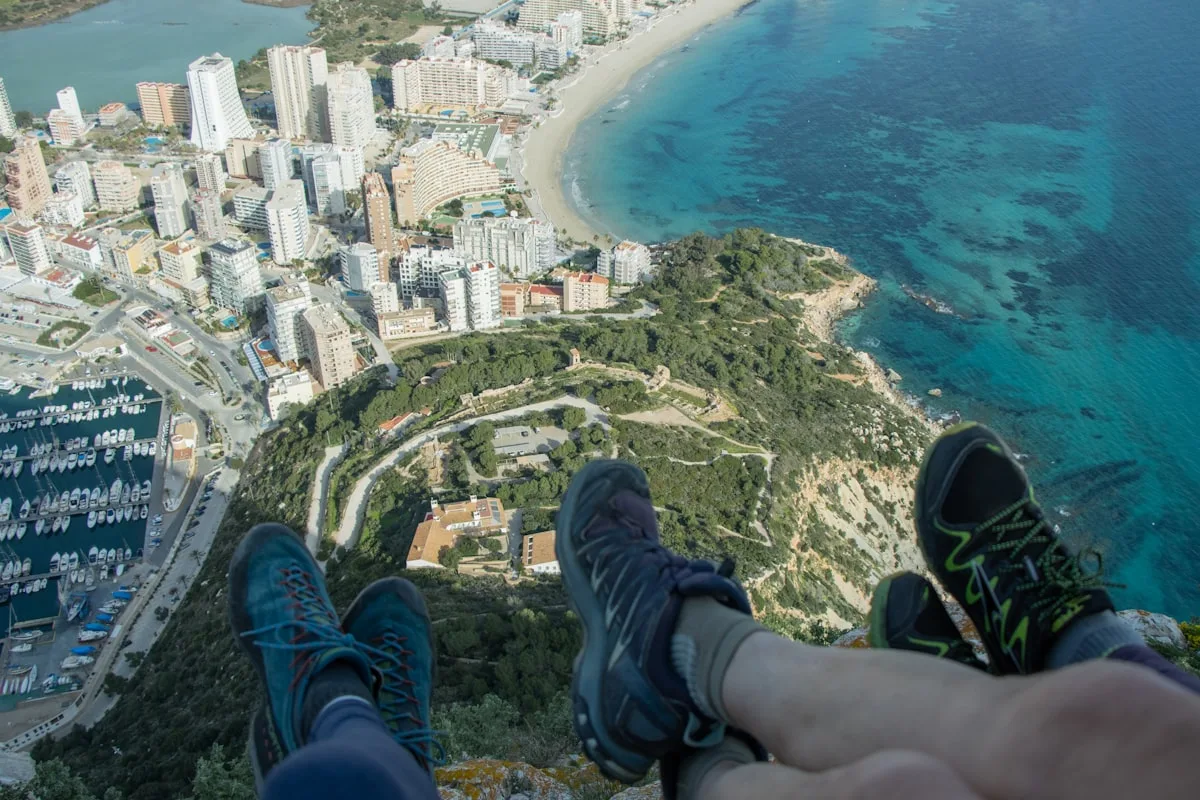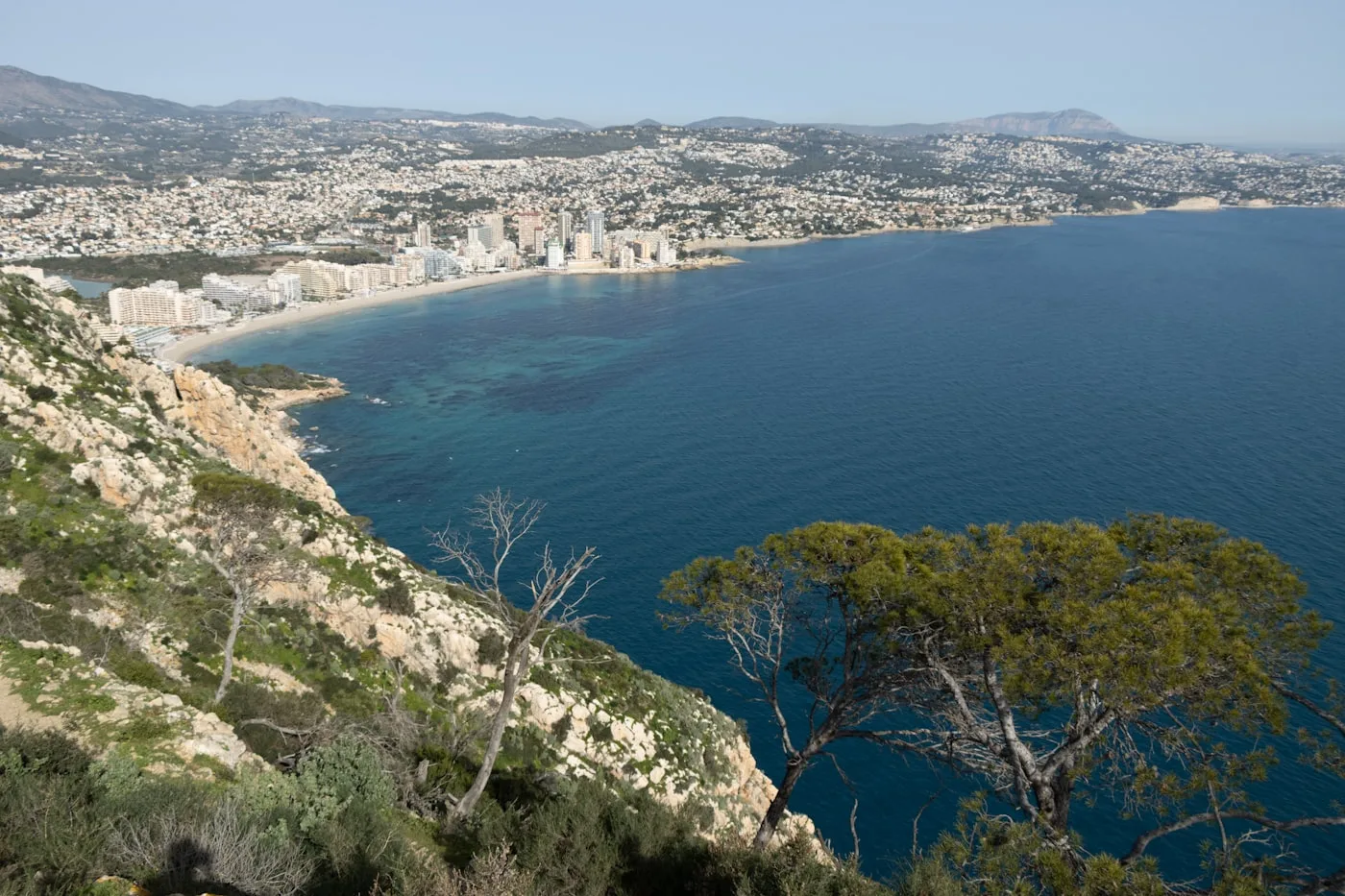
Calpe and the wider Costa Blanca are not only beaches and cliffs. This is one of Spain’s more serious food regions, and paella, horchata and the morning catch here are not staged for visitors — they are the same everyday food locals have eaten for generations. The catch is that visitors and locals often order the exact same dish at a different time of day, in a different kind of place, and end up with two very different experiences. Here is what to look for if you want the region as it actually is, not its promenade version.
Paella valenciana: where it comes from and when to order it
Paella was not invented in a restaurant or by the sea. It comes from the rice fields around the Albufera, a freshwater lagoon just south of Valencia city that is now a protected natural park and still grows a large share of Spain’s rice. Farm workers cooked it for their midday meal over an open fire, using whatever was at hand: rice, chicken, rabbit, the local flat butter bean called garrofón, green beans, tomato, rosemary and saffron. Not a single piece of seafood belongs in the original recipe — it is a landlocked dish, and once mussels or prawns go in, you are eating a different paella, called paella marinera or mixta, which is perfectly good but a separate tradition.
That history explains the most useful tip for visitors: in Valencia and along this coast, paella is lunch food, typically eaten between 2pm and 3:30pm, almost never dinner. A reliable sign of a place cooking it properly is a wait — genuine paella takes at least 20 to 30 minutes to prepare to order, and many restaurants only take orders for two people or more, since a paella pan is not built for one. If it lands on your table five minutes after ordering at 9pm on a seafront strip, it was almost certainly made in bulk earlier and reheated. Another giveaway of the real thing is the socarrat, the thin, caramelised layer of rice that sticks to the bottom of the pan — a cook who is proud of it will usually offer you a taste before clearing the plate.
Horchata and fartons: the region’s cold classic
Horchata de chufa is a genuine Valencia-region specialty, and worth distinguishing from the rice-based horchata found in Latin America — the two share a name but almost nothing else. This version is made from chufa, a tiger nut grown mainly around Alboraya just outside Valencia city, pressed into a milky, faintly sweet drink that is served ice cold, almost slushy. Warm horchata more or less defeats the point; the flavour only really works cold. The standard way to drink it is with a farton, a long, sugar-glazed pastry made for dunking straight into the glass. Look for a sign reading horchatería or horchata valenciana — a handful of cafés around Calpe and Denia serve it fresh, and it is worth the short detour rather than settling for the bottled version from a supermarket shelf.
The markets of Calpe, Denia and Javea
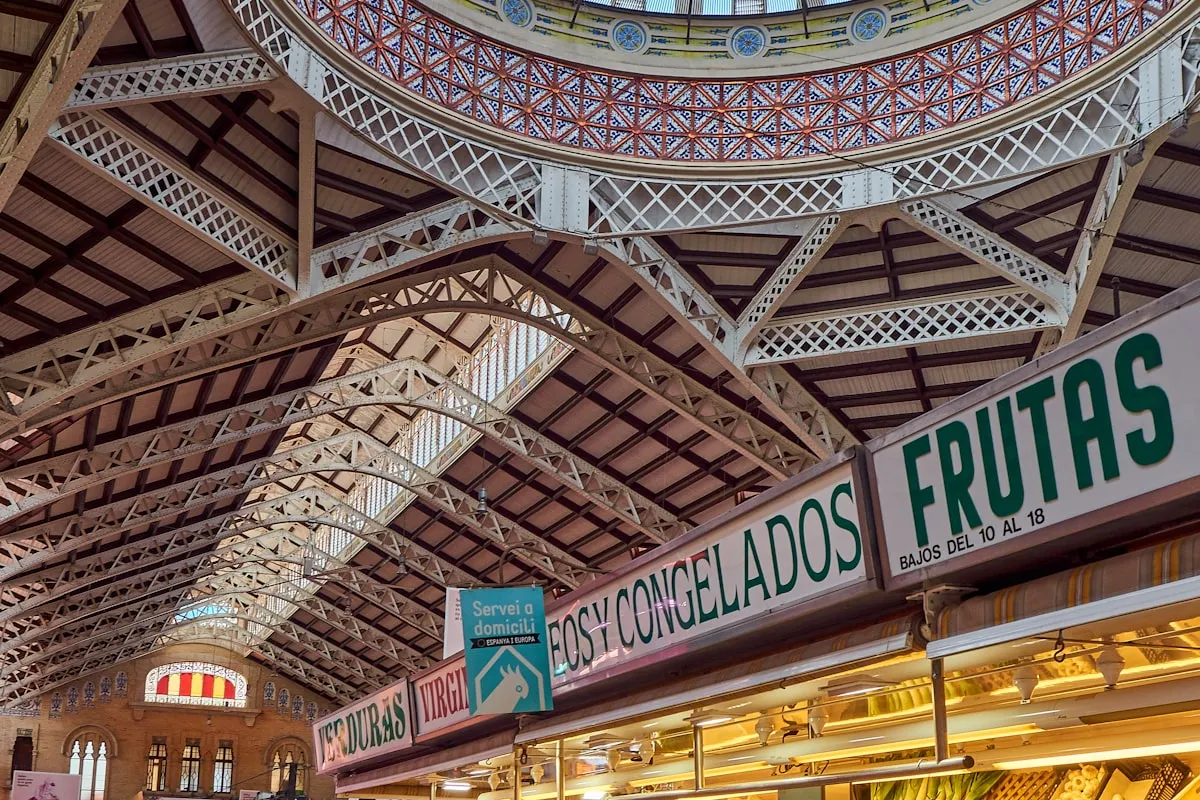
The easiest way to see what the coast eats beyond restaurant menus is to visit a local market in the morning, since most wind down well before lunch. Calpe has a covered municipal market with fresh produce and fish stalls, plus a Saturday street market for everything else. Denia’s market is larger and livelier, close to the port where a fish auction runs on weekdays (more on that below), and the old town at the foot of the castle has narrow rows selling local cheese, ham and vegetables from the surrounding fields. Javea’s market is smaller, which makes it easier to actually talk to the stallholders and find out what is genuinely in season that week. Almost every one of these markets has a tapas bar within a short walk, where locals stop for a glass of wine and a tortilla after shopping — a routine, not a tourist experience.
Fresh off the boat: Denia and Moraira
Denia and Moraira are still working fishing ports, not a backdrop for photographs — we cover both towns in more detail in a separate guide to the coast’s quieter routes. Boats go out at night and return at dawn, and the catch heads straight to the port-side fish auction, or lonja, where wholesalers and restaurant owners bid on it in real time. The local prize is gamba roja de Denia, Denia’s red prawn, caught at depth off this stretch of coast and sold under a protected designation of origin — by most local accounts, among the best prawns in Spain, and priced accordingly. A restaurant by the harbour with pescado del día — catch of the day — on the menu is usually telling the truth: the fish was landed that same morning, not trucked in from a wholesale warehouse the night before.
If a day at Denia’s market or dinner by Moraira’s harbour is on your plan, it pairs easily with an airport transfer — our Alicante–Calpe route drops you within easy reach of both ports. Message us on WhatsApp or Telegram and we will confirm the price in five to ten minutes.