Say “Spain” and most people picture July: scorching sand, a queue for the last free sunbed, thirty-five degrees in the shade. But the Costa Blanca has another, less advertised side — a winter that turns out to be a surprisingly comfortable time to visit for a lot of travelers. Here is an honest look at what that season actually involves, and who it suits.
What winter here actually feels like
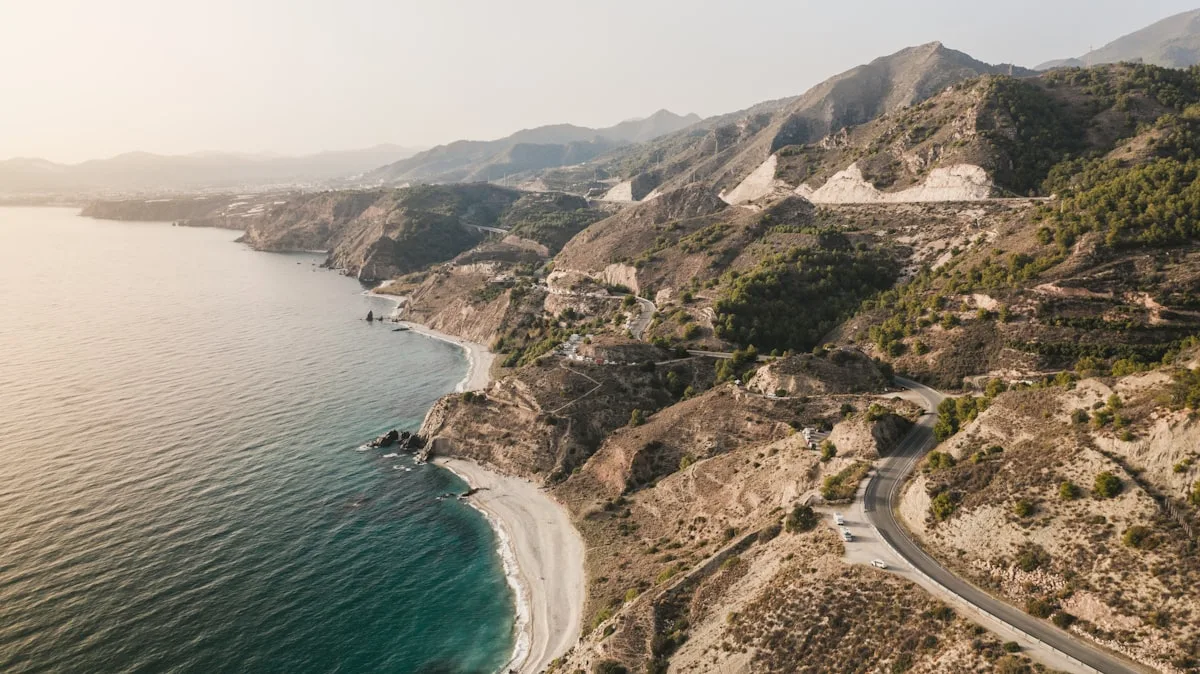
The Costa Blanca is Spain’s southeastern coast, running from Denia in the north down to Torrevieja in the south, and taking in Alicante, Calpe, Benidorm and Javea along the way. It doesn’t get properly cold in winter: daytime temperatures from December through February typically sit around 15-18°C, and on a sunny day a light jacket — sometimes not even that — is enough on the seafront. Nights are cooler, around 7-10°C, occasionally a touch lower, but snow and frost are close to unheard of, the kind of event local news would still be talking about a month later.
Compare that with the same months in London, Berlin or Warsaw, where daytime temperatures hover around freezing, daylight is short, and the sky can stay grey for weeks. That contrast is exactly why the Costa Blanca isn’t so much visited in passing during winter as deliberately chosen — as an alternative to yet another dark northern winter. It’s the reason the region has such a visible population of retirees and remote workers from the UK, Germany, Scandinavia and the Benelux countries in these months: many of them stay for three or four months each winter, renting a place for the season rather than dropping in for a week’s holiday. Rain does happen, but it’s usually brief rather than trip-ruining — most days are clear or partly cloudy rather than a solid grey ceiling.
What closes, and what keeps going
To be fair, some of the seasonal infrastructure genuinely shuts down in winter. Beach bars (chiringuitos), a number of restaurants built entirely around the summer tourist flow, and some water-sports rentals close roughly from November through March — owners either take their own break or simply don’t see enough footfall to justify staffing up. If your goal is specifically a beach holiday, a sunbed and a drink by the water every day, winter isn’t for you: the sea only warms to comfortable swimming temperatures around June, sitting at roughly 14-16°C through winter, and the people in it that time of year are mostly hardy locals rather than tourists.
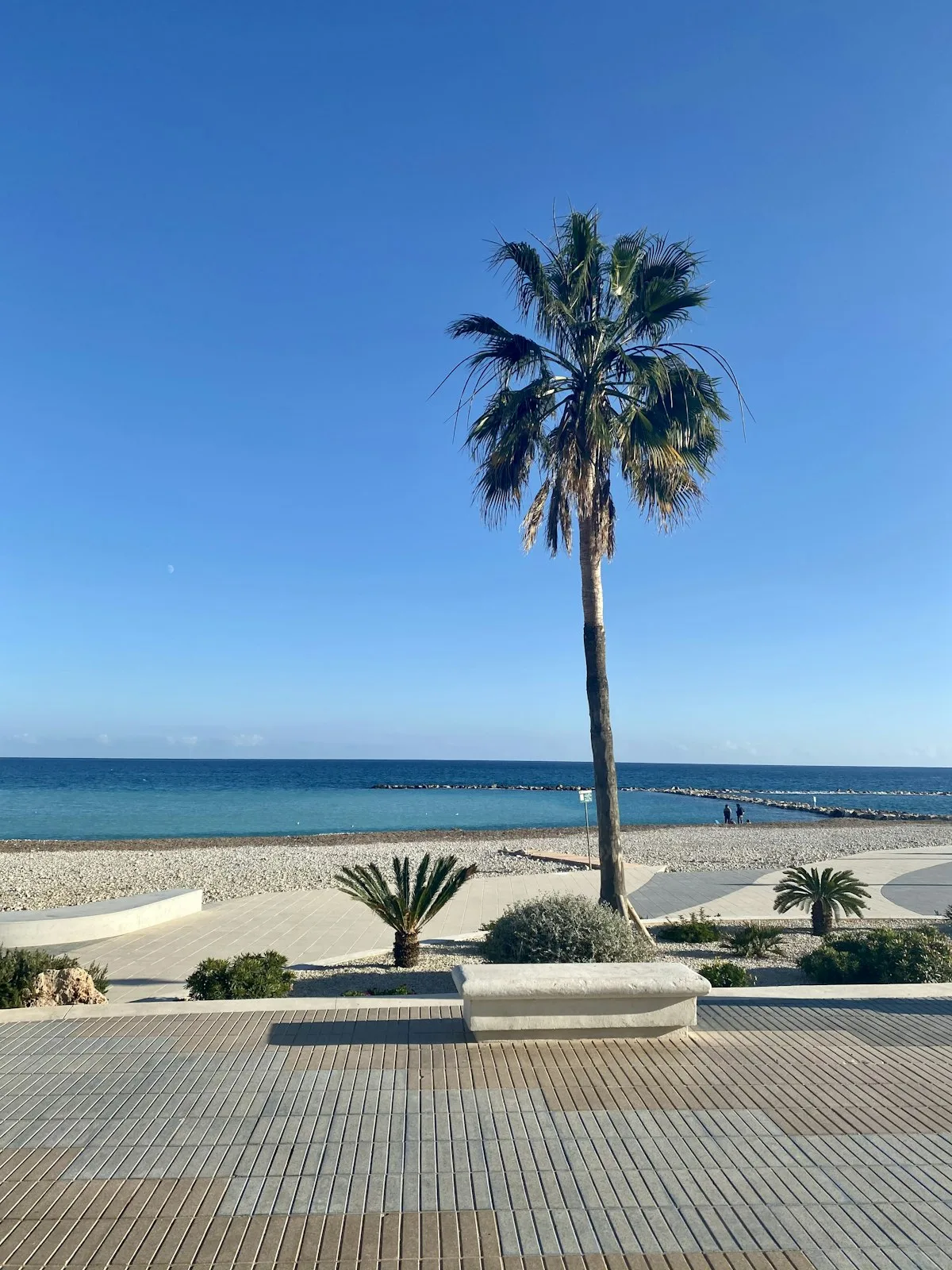
That said, the towns themselves don’t go quiet — this is a real difference between the Costa Blanca and resorts that only exist for summer. The old quarters of Calpe, Alicante and Javea keep running as usual: markets, cafés, shops, everyday errands — none of that disappears, because these are places with genuine year-round residents, not just seasonal staff. Promenades stay open for walking, just with fewer people on them and an easier time finding a free table by the water without a reservation. The Peñón de Ifach in Calpe, Alicante’s old town, the market in Denia — all of it runs year-round, and arguably looks better without the crowds and queues of August. If you want the local detail on Calpe specifically — what’s open in the off-season and where’s worth going — there’s a dedicated guide for that on the blog.
The money side: why it’s cheaper
The price gap between summer and winter on the Costa Blanca shows up in flights as much as in hotels. Fares from most European cities into Alicante (ALC) can run two to three times cheaper in winter than at peak summer rates, and that applies to budget carriers and legacy airlines alike. Accommodation follows the same pattern: apartments and villas that come with inflated summer pricing and a mandatory week-long minimum stay in July and August are often available by the month in winter, and work out cheaper per night. It’s that combination — mild weather plus lower prices — that makes winter on the Costa Blanca appealing not just for a short break, but for anyone planning to stay several weeks or months at a time.
Who should go in winter, and who shouldn’t
If your trip is built around the beach, lively nightlife and the full summer resort experience, June through September is still the better call. But if you’d rather skip the crowds and queues, enjoy unhurried walks along the promenade and through the old town, work remotely and can pick your own dates, or simply want to trade a grey northern winter for a climate where a jacket is optional by midday — the Costa Blanca between November and March is worth genuine consideration. It’s exactly why so many people come back here winter after winter.
Planning an off-season trip — the airport transfer runs the same way year-round: driver meeting you with a name sign, a fixed price agreed in advance, free flight tracking if your flight is delayed. The route to Calpe is served identically in January and in July. For a price on your specific dates, message us on WhatsApp or Telegram, or find the booking form here. More on the topic in the blog.