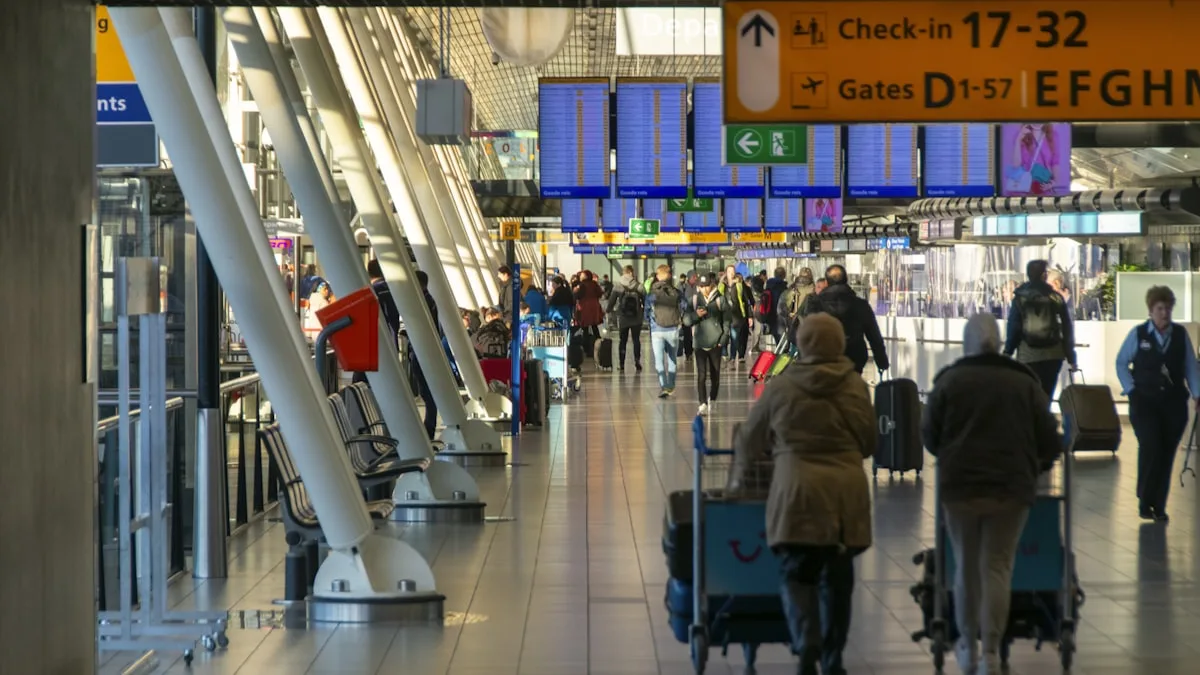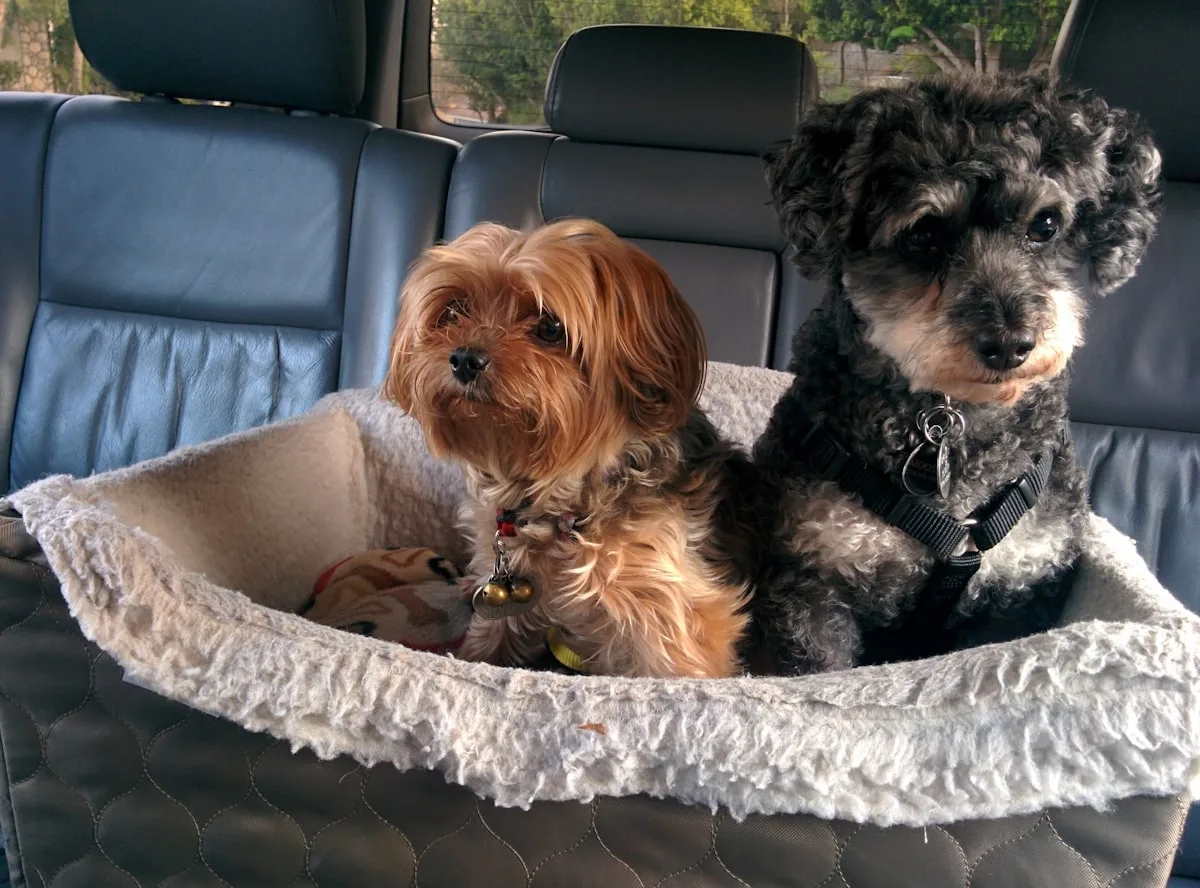
A dog or cat in a carrier at baggage claim in Alicante Airport is an everyday sight for us, especially from spring through autumn, when families move to the Costa Blanca for the season or for good. Pet owners usually have two questions: what paperwork they need to fly without a hitch, and how to get to Calpe or Benidorm afterward without wearing the animal out even further after the flight. Let’s go through both.
Travel Documents: What to Check in Advance
Worth saying upfront: we handle the road trip, not the entry paperwork, so what follows is only the general picture — check the exact list for your case with your airline and a vet in the country you’re flying from. The broad rule for bringing a pet into the EU is this: the animal needs a microchip (implanted before the rabies vaccination, not after — the order matters), a valid rabies shot given at least 21 days before travel, and a document proving all of it — an EU pet passport for animals coming from within the Union, or a health certificate for pets flying in from outside it.
From there the details get country-specific fast: some countries add a rabies antibody titer test, others have quarantine rules for certain breeds or certificates that are only valid for a set number of days rather than months. On top of that, every airline has its own rules on carriers, weight limits, and whether the pet flies in the cabin or in the hold. So the practical advice is simple — start sorting out the paperwork one to two months before departure, not a week before. Some steps, like the titer test, take time to process, and scrambling to fix something at the last minute with a pet in tow is no fun at all.
Why a Private Transfer Beats a Bus or Shuttle
This is where we can speak from experience, since it’s what we do every day. A bus from Alicante Airport to Calpe means other people’s luggage, cramped seating, possible transfers, and zero control over how your pet handles the ride. A shared shuttle with several families in one van is much the same story — stops at other hotels, unfamiliar people nearby, and extra stress for an animal that has already spent hours cooped up on a plane.
A private car removes most of that anxiety just by design: it’s you, your family, and your pet in the cabin, with no detours for anyone else and no strangers reaching past the carrier. If your dog or cat is calmer in its carrier, it can stay there for the whole ride. If you’d rather have your pet on a blanket or towel on the seat instead, that’s fine too — just mention it beforehand and the driver will set the car up accordingly. The drive from Alicante to Calpe takes about 55 minutes on the direct AP-7 motorway — for an animal that’s already tired from flying, that’s a world gentler than a bus with several stops or a wait for a connection at the station.
How We Handle It
Transfer Calpe takes pets on transfers by request — no surprise fees, no “small breeds only” rules — but you do need to let us know in advance, when you book, not when you meet the driver at arrivals. Message us on WhatsApp or Telegram and tell us: the type of animal, its approximate size and weight, whether it travels in a carrier or not, and how much luggage you’re bringing overall — this matters, because a carrier for a large dog takes up noticeably more trunk space than it looks like in photos.
Based on those details we pick a car of the right size and brief the driver to arrive prepared — laying a blanket in the trunk, say, or clearing the back seat for the carrier. If you’re flying in through Alicante, we’ve written a full breakdown of the Alicante–Calpe route with all the trip details, and the same setup applies if you’re headed to Benidorm or another Costa Blanca town instead. You can book your trip with a pet directly on the site through the booking form — just leave a note about your animal in the request, and we’ll follow up to confirm the details.